Digital Phenotyping of Mental Health
Clinicians, researchers and engineers build together for 32 hours — and leave with projects worth funding.
- Dates6–7 November 2026
- Format32 hours
- Participants50 participants
- Challenges6 challenges









Latest news
A second voucher: Fondation Pôle Autisme
The Fondation Pôle Autisme offers a CHF 500 voucher for the strongest need on mental health in connection with developmental disorders in children and adolescents, presented by Professor Marie Schaer. The Synapsy voucher for the strongest contributor stands.
Needs Sprint #1 at Campus Biotech
The first needs sprint took place on 3 September. The needs call stays open until 15 October, and every submission counts towards the vouchers.
The needs call is open
Submit a need in two minutes: it is how you apply for a place in November, and it puts you in the running for the vouchers.
From real needs to outstanding translational research
The hackathon is not an end in itself. It sits inside a path that starts with needs from the field and ends with funded projects. Here is where we are.
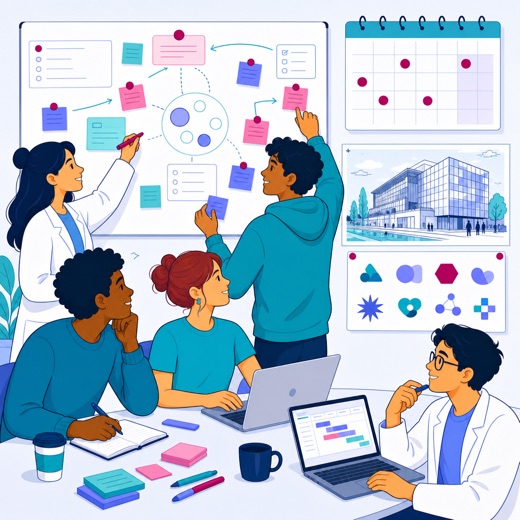 1Hack planningMay–August
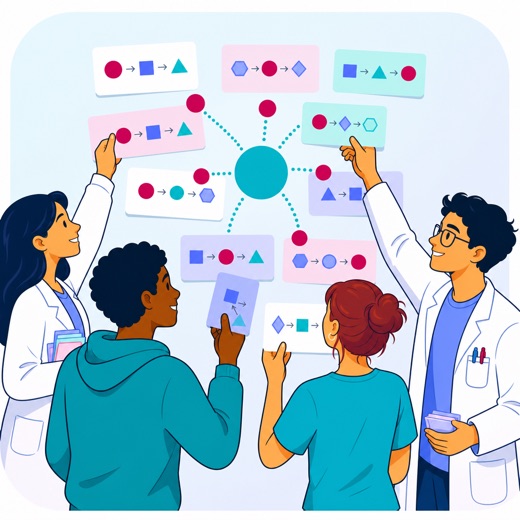 2Needs libraryuntil end of Septemberwe are here
 3Challenge shapingOctober
 4Hackathon6–7 November
 5Grant development3–9 months
 6Submission
 7Funding
 8Research take-off

Help shape challenges by submitting needs
Have a mental-health research need? Submit it in two minutes and help shape the challenges for the hackathon.
A way to do X for population Y with outcome Z.
At least CHF 500 in vouchers for the strongest submissions — travel to the November hackathon, or AI and compute credits for a local winner.
- 1alicia.milloz862
- 2thibautc849
- 3thibaudd720
188 needs submitted so far · target 100
How this hackathon will change how we shape research
The Faculty of Medicine at the University of Geneva is launching its first interdisciplinary research hackathon on digital phenotyping of mental health at Campus Biotech. In a focused 32-hour format, clinicians, researchers, engineers and around 50 Master’s and PhD students form mixed teams, build early prototypes, and shape project outlines designed to become fundable research projects.
The bet is twofold: get more out of the research platforms the Faculty has already built, starting with the digital phenotyping infrastructure at Campus Biotech, and put people who rarely share a room — clinic, lab and code — on the same team.